
Dermatology ConsultationTreatment
Wart Treatment
 Dermatology Consultation
At a glance
- Procedure time
- Usually 5-20 minutes, depending on the number of warts
- Anaesthesia
- Usually none for freezing; local anaesthetic for electrocautery
- Results start
- Treated warts usually crust and fall off within 1-3 weeks
- Results last
- A cleared wart usually does not recur in the same spot, but new warts can appear because of the virus
- Back to routine
- Back to daily life the same day; the sole may be tender for a few days
- Sessions
- Cryotherapy usually 2-4 sessions, 2-3 weeks apart; stubborn warts may need more
Warts are benign, contagious skin growths caused by the human papillomavirus (HPV), which makes cells in the top layer of the skin multiply. They are most common on the hands, fingers, soles of the feet and face. Wart treatment is planned according to the type, location and number of warts and the patient's age, using freezing (cryotherapy), electrocautery or topical medicines.
Warts are not cancerous, but they can hurt, spread, pass to others and be bothersome to look at. When deciding on treatment, we weigh these complaints against the chance that the wart will clear on its own.
Types of warts
- Common warts: rough, cauliflower-like bumps on the hands and fingers. Warts around the nails are harder to treat.
- Plantar warts: on the soles, pushed inwards by body weight and often painful when walking. The tiny black dots on the surface are clotted capillaries. They are easily confused with corns.
- Flat warts: small, slightly raised, skin-coloured or light brown spots, often many, on the face, backs of the hands or legs. Shaving can spread them.
- Filiform warts: thin, thread-like growths around the eyelids, nose and lips.
- Genital warts: sexually transmitted and caused by different HPV types. They should never be self-treated with wart products and always need a medical examination.
Are warts contagious?
Yes. The virus spreads through direct skin contact and shared items such as towels, nail clippers and razors, and enters more easily through small cuts. Wet floors in pools and gym showers are a common source of plantar warts. Picking or biting warts can spread them to other parts of your own body. Not everyone exposed develops warts; the immune response plays a key role.
Do warts go away on their own?
Many warts, especially in children, disappear within months to a couple of years as the immune system catches up. Waiting is a reasonable choice for a small wart that is not painful or spreading. In adults, and on the soles or around the nails, warts are often more stubborn.
Treatment options
- Topical treatment: salicylic acid solutions, gels or plasters gradually peel away the wart. A good first step for children, but it requires weeks of regular use and should not be used on the face or genitals.
- Cryotherapy: freezing with liquid nitrogen, usually without anaesthesia, repeated every few weeks. See our page on cryotherapy.
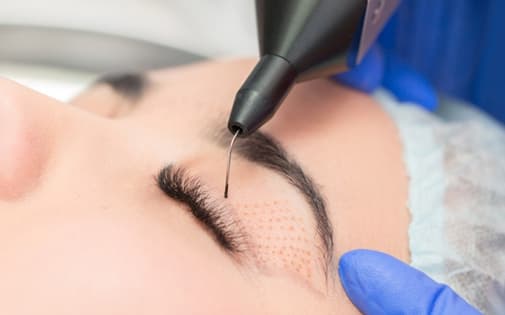
- Electrocautery: removing the wart with electrical energy under local anaesthetic, useful for single stubborn warts or filiform warts on the face. See electrocautery.
- Other options: for resistant warts, laser, immune-stimulating treatments or surgery may be considered. Deep cutting to "remove the root" is rarely necessary and increases the risk of scarring.
How is it done?
- We confirm the diagnosis, as corns, skin tags and seborrhoeic keratoses can look similar.
- We choose the method based on location, size, number, age and pain tolerance.
- Thick warts are pared down first to help the treatment work.
- Freezing or cautery is applied; the area is numbed first for cautery.
- We explain aftercare and set a follow-up date.
How many sessions are needed?
With cryotherapy, warts usually clear after 2-4 sessions spaced 2-3 weeks apart; plantar and nail-fold warts may need more. Electrocautery is often a single session. No method can promise that warts will never return, because the virus can remain in surrounding skin.
Aftercare and side effects
A burning sensation and throbbing for a few hours are common, and a blister, sometimes blood-filled, may form after freezing. Do not pop it or pick the crust. Lighter or darker skin colour at the treated site can occur, especially in darker skin. Infection, scarring and temporary nail changes are uncommon. Freezing is not used in people with cold urticaria, and people with a pacemaker should mention it before cautery. Extra care is needed in pregnancy, diabetes and poor foot circulation.
Preventing warts
Wear flip-flops in shared showers, keep feet dry, do not share towels or razors, and avoid picking or biting warts.
At our clinic in Çankaya, Ankara, we examine the lesion and agree on a suitable method and a realistic treatment plan with you. You are welcome to book a consultation.
The information on this page is for general guidance and does not replace a consultation or medical advice. Diagnosis and treatment decisions are made by your doctor. Last updated:
Wart Treatment
Frequently asked questions
Common questions about Wart Treatment, with short answers.
Do warts go away on their own?
Many warts, especially in children, disappear within months to a couple of years. In adults, on the soles and around the nails they are often more persistent and may multiply. Treatment is recommended for warts that hurt, spread or bother you.
Are warts contagious?
Yes. They are caused by HPV and spread through direct contact or shared items like towels and razors. Picking a wart can spread it to other areas of your body, and flip-flops in shared showers help prevent plantar warts.
Does wart freezing hurt?
You will feel a burning sting for a few seconds during freezing, and some throbbing for a few hours afterwards. Most people tolerate it well. For young children and people sensitive to pain, other methods can be chosen.
Do warts have roots?
No. The virus lives only in the top layer of skin. Plantar warts look deep because body weight pushes them inwards, and the black dots are tiny clotted vessels, so deep cutting is rarely needed.
Will warts come back after treatment?
A treated wart usually does not recur in the same spot, but new warts can appear because the virus may remain in nearby skin. Treating new warts early makes things easier.
Have another question?
You can ask us about visits and treatments by phone or on WhatsApp.
Message us on WhatsAppDermatology Consultation
Related treatments
Cryotherapy
Cryotherapy is a dermatological treatment that destroys unwanted skin lesions by freezing them with liquid nitrogen. It is used for warts, seborrhoeic keratoses, actinic keratoses and other selected lesions.
Electrocautery
Electrocautery uses electrical energy converted to heat to remove small benign skin lesions in a controlled way. It is most often used for skin tags and seborrhoeic keratoses.
Mole Check and Mapping
A mole check is a non-invasive examination in which moles are magnified with a dermatoscope and, when needed, digitally recorded and compared over time. The aim is to spot changing or suspicious lesions early.
Acne Treatment
Acne is an inflammatory condition of the hair follicles and oil glands that causes blackheads, whiteheads, red spots and sometimes deep cysts. Treatment is planned at a consultation based on its type and severity.
Psoriasis
Psoriasis is a chronic, non-contagious condition in which an overactive immune response causes red, scaly plaques on the skin. With the right treatment it can be kept under control for long periods.
Rosacea
Rosacea is a chronic condition of the central face causing flushing, persistent redness, visible small vessels and acne-like bumps. Trigger control and the right treatment can keep it under control.
Çankaya, Ankara