
Dermatology ConsultationCondition
Acne Treatment
 Dermatology Consultation
Acne is a very common inflammatory condition of the hair follicles and their oil glands. It shows up as blackheads, whiteheads, red bumps, pus-filled spots and, in more severe cases, deep and painful lumps. Acne treatment is tailored to the type and severity of your breakouts and usually takes a few months of consistent care.
Many people simply wait for acne to fade on its own. Sometimes it does, but inflammatory acne left untreated for years can leave marks and scars that are much harder to fix than the spots themselves. Starting the right treatment early protects your skin in the long run.
What causes acne?
Four things happen together: the oil glands produce too much sebum, dead skin cells block the follicle opening, bacteria multiply inside the blocked pore, and inflammation follows. Each acne medicine targets one or more of these steps, which is why a combination usually works better than a single product.
Genetics and hormones set the stage. Common aggravating factors include:
- Hormonal shifts, such as premenstrual flares or polycystic ovary syndrome
- Heavy, pore-clogging cosmetics and hair products
- Picking and squeezing, harsh scrubs and over-washing
- Certain medicines, including corticosteroids and anabolic steroids
- Friction and sweat from helmets, masks, backpacks and tight sportswear
The role of diet is still being studied. Some people notice flares with sugary foods or a lot of dairy, but there is no single acne diet that suits everyone.
Symptoms and diagnosis
Acne mainly affects the face, chest, back and shoulders. At your visit we look at the type of spots (blackheads and whiteheads, inflamed papules and pustules, or deep nodules and cysts), how widespread they are, whether they are leaving marks, and what you have already tried. If a woman has irregular periods, excess hair growth or thinning hair, we may request hormone tests.
Ruling out look-alikes matters too. Redness and acne-like bumps on an adult's cheeks may in fact be rosacea, which is managed quite differently.
Acne treatment options
The plan depends on severity, scarring tendency, age and your own priorities. The options below are described in general terms; which medicine you use, how and for how long is decided at your consultation.
- Topical treatments: Retinoids unblock pores and prevent new blackheads. Benzoyl peroxide lowers the bacterial load and helps prevent antibiotic resistance. Azelaic acid and topical antibiotics can be added when appropriate. Dryness and stinging in the first weeks are common and usually manageable.
- Oral antibiotics: Used for moderate to severe or widespread acne, for a limited time and always together with a topical treatment.
- Hormonal treatment: An option for some women whose acne is clearly hormone-driven, sometimes together with a gynaecologist.
- Isotretinoin: A vitamin A derivative for severe, scarring or treatment-resistant acne. It works well but needs close medical follow-up with regular blood tests. Because it can cause serious birth defects, reliable contraception is essential during treatment and for a period afterwards.
Light-based treatments can support medical therapy in selected patients. BBL laser for acne may help calm active breakouts and post-acne redness. Once the acne is under control, remaining pitted scars can be addressed separately with gold needle acne scar treatment.
How long does treatment take?
Acne medicines work slowly. Clear improvement usually takes 8 to 12 weeks, and some people have a mild flare in the first weeks. Stopping after two or three weeks is the most common reason treatment seems to fail. After the acne settles, a maintenance routine helps keep it from coming back.
Everyday skin care tips
- Wash twice a day with lukewarm water and a gentle, soap-free cleanser.
- Use an oil-free, non-comedogenic moisturiser and sunscreen. Acne medicines dry the skin, and a good moisturiser makes them easier to stick with.
- Do not squeeze spots. It pushes inflammation deeper and raises the risk of marks and scars.
- Change pillowcases often and clean your phone screen and make-up brushes.
- Change out of sweaty clothes soon after exercise.
When should you see a dermatologist?
Book a visit if over-the-counter products have not helped within two or three months, if you get painful deep spots, if your acne is leaving marks or scars, or if it started suddenly in adulthood. Acne that affects your confidence deserves attention too.
At our clinic in Çankaya, Ankara, we examine your skin, talk through your options openly and build a plan that fits your skin and your daily life, with regular follow-up along the way. You are welcome to book a consultation.
The information on this page is for general guidance and does not replace a consultation or medical advice. Diagnosis and treatment decisions are made by your doctor. Last updated:
Acne Treatment
Frequently asked questions
Common questions about Acne Treatment, with short answers.
Will acne go away on its own?
Mild acne sometimes settles with age, but there is no way to predict when. Waiting with inflamed or deep spots increases the risk of marks and scars. With treatment matched to its severity, most people see clear improvement.
How long does acne treatment take?
Response is usually assessed after 8 to 12 weeks. The total duration depends on severity and the chosen treatment; systemic options such as isotretinoin last several months. A maintenance routine is often recommended afterwards.
Is isotretinoin safe?
In the right patient and with medical follow-up, isotretinoin is an effective medicine. Dry skin and lips are common, and liver values and blood lipids are monitored with blood tests. It must never be used in pregnancy, and reliable contraception is required during treatment.
Does squeezing spots cause scars?
Yes. Squeezing pushes inflammation deeper into the skin and raises the risk of both brown marks and pitted scars. A spot treatment recommended by your doctor is a much safer choice.
Why do adults get acne?
Adult acne, especially in women, is often linked to hormonal changes, stress, pore-clogging cosmetics or certain medicines. Breakouts along the jawline that flare with the menstrual cycle suggest a hormonal factor, and hormone tests may be requested.
How can acne scars be treated?
Red and brown marks after spots usually fade over months, helped by daily sun protection. Pitted scars do not resolve on their own and are treated separately, for example with gold needle radiofrequency, once active acne is under control.
Have another question?
You can ask us about visits and treatments by phone or on WhatsApp.
Message us on WhatsAppDermatology Consultation
Related treatments
BBL Laser for Acne
BBL for acne uses blue and visible light filters to target acne bacteria and inflammation, and can reduce red post-acne marks. It usually supports, rather than replaces, medical treatment.
Gold Needle Acne Scar Treatment
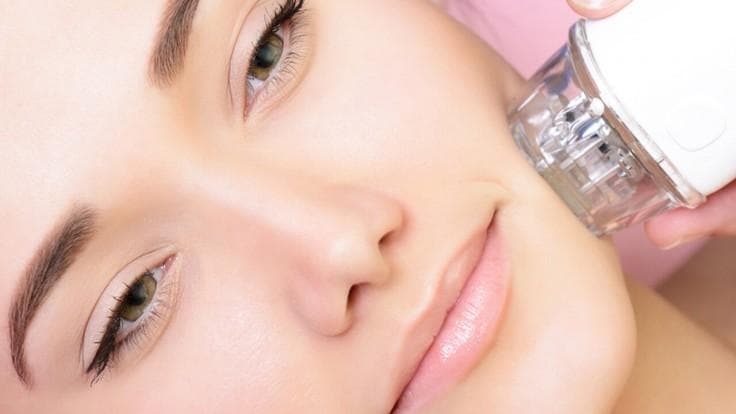
Gold needle acne scar treatment uses radiofrequency microneedling to remodel the collagen beneath sunken acne scars, gradually making them shallower and the skin surface smoother.
Rosacea
Rosacea is a chronic condition of the central face causing flushing, persistent redness, visible small vessels and acne-like bumps. Trigger control and the right treatment can keep it under control.
Psoriasis
Psoriasis is a chronic, non-contagious condition in which an overactive immune response causes red, scaly plaques on the skin. With the right treatment it can be kept under control for long periods.
Eczema
Eczema is an umbrella term for a group of inflammatory skin conditions that make the skin itchy, red, dry and sometimes weepy. Finding the trigger and repairing the skin barrier are the basis of treatment.
Atopic Dermatitis
Atopic dermatitis is a chronic type of eczema, usually starting in infancy or childhood, with intense itch and dry, inflamed skin. Regular skin care and the right treatment can reduce flares.
Çankaya, Ankara