
Gold Needle RadiofrequencyTreatment
Gold Needle Pigmentation Treatment
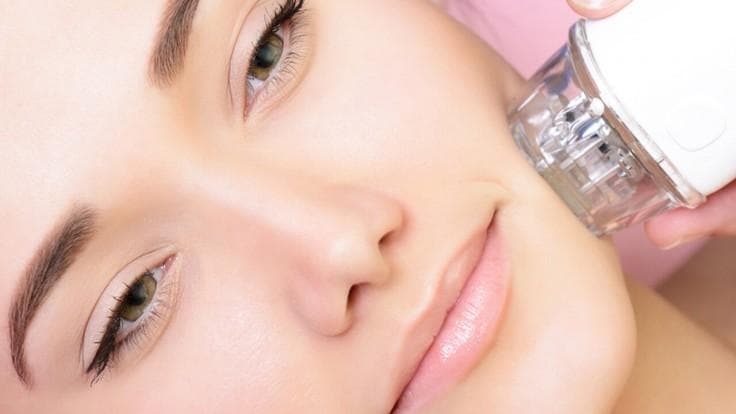 Gold Needle Radiofrequency
At a glance
- Procedure time
- About 20-30 minutes (plus numbing time)
- Anaesthesia
- Topical numbing cream
- Results start
- Lightening is often noticed after 2-3 sessions
- Results last
- Depends on the type of pigmentation; melasma needs ongoing maintenance
- Back to routine
- Back to normal activities the next day; redness may last 1-2 days
- Sessions
- Usually 3-6 sessions, 4 weeks apart
Gold needle pigmentation treatment uses low-energy radiofrequency microneedling as a supportive treatment for stubborn pigmentation, particularly melasma and dark marks left after acne. The aim is to improve not only the visible pigment but also the deeper skin environment that keeps producing it. It is usually combined with pigment creams and other treatments rather than used alone.
How it works on pigmentation
In pigmented skin the problem is not limited to excess melanin in the upper layer. In melasma, the dermis below often shows increased blood vessels, sun-damaged connective tissue and signals that keep stimulating pigment cells. That is one reason why treatments that only resurface the top layer are often followed by relapse.
Gold needle treatment delivers energy into the dermis while largely sparing the surface. Low-energy treatment is thought to help remodel this deeper layer and calm the environment that drives pigment production. Small studies suggest that regular RF microneedling sessions added to standard melasma treatment may help maintain improvement, but the evidence is still limited.
Which types of pigmentation?
- Melasma, especially when it responds only partly to creams or keeps coming back. Causes and other options are covered on our melasma page.
- Post-inflammatory marks after acne, particularly alongside acne scars.
- Sun-related uneven tone combined with rough texture and visible pores.
Well-defined sun spots and age spots usually respond more directly to light-based treatment; see BBL laser for pigmentation.
Diagnosis comes first
Not every brown spot is simple pigmentation. Moles, seborrhoeic keratoses and, rarely, skin cancers can look similar, so spots are examined before any treatment. Anything new or changing in shape or colour should be checked first through a mole check. The depth of pigment also matters: superficial marks respond faster than deeper melasma.
What happens during treatment
- Assessment: we identify the type and depth of pigmentation and its triggers, such as sun, hormones, medications or cosmetics.
- Preparation: the skin is often prepared for a few weeks beforehand with pigment creams and strict sun protection.
- Treatment: after numbing, low energy and appropriate depth are used to avoid heat-triggered darkening. It takes about 20 to 30 minutes.
- Support: a home-care and sun-protection plan is agreed, and pigmentation mesotherapy may be added where useful.
Sessions and results
We usually plan 3 to 6 sessions, 4 weeks apart. In melasma, less frequent maintenance sessions may be suggested once the skin has improved. Lightening is often noticed after 2 or 3 sessions. Melasma is a chronic condition that tends to return, and no treatment can promise it will not. Sun, heat and hormonal changes can bring it back, so protection continues after the course ends.
Aftercare
- Redness usually settles within 1 to 2 days.
- Heat and sunlight are the main triggers: avoid direct sun, saunas and hot environments for two weeks where possible.
- Use a broad-spectrum, high-SPF sunscreen daily and reapply every 2 to 3 hours; tinted formulas add protection against visible light.
- We will tell you when to restart your pigment creams, usually after a few days.
Side effects and who should avoid it
Temporary redness, mild swelling and pinpoint bleeding are expected. The main risk in pigmented skin is temporary darkening after treatment, which is more likely in darker skin and sun-exposed skin; low energy settings and strict sun protection reduce it. Cold sore flares and small breakouts are uncommon.
Treatment is not suitable during pregnancy or breastfeeding, with a pacemaker or implanted device, on freshly tanned or sunburnt skin, with active infection or cold sores, with undiagnosed suspicious spots or with a tendency to keloids.
Pigmentation takes patience and usually more than one method. At our clinic in Çankaya, Ankara, we first identify the type of pigmentation and then decide with you whether gold needle treatment belongs in your plan. You are welcome to book an assessment.
The information on this page is for general guidance and does not replace a consultation or medical advice. Diagnosis and treatment decisions are made by your doctor. Last updated:
Gold Needle Pigmentation Treatment
Frequently asked questions
Common questions about Gold Needle Pigmentation Treatment, with short answers.
Will gold needle treatment clear my pigmentation completely?
It would not be honest to promise that. It can support lightening, especially in melasma and post-acne marks, when combined with other treatments. Sun protection and maintenance are essential to keep results.
Does RF microneedling help melasma?
Small studies suggest that low-energy RF microneedling added to standard melasma treatment may help maintain improvement. The evidence is still limited, and it is usually used together with creams and sun protection.
Can gold needle treatment cause dark spots?
Temporary darkening can occur, especially in darker or sun-exposed skin. Low energy settings, skin preparation and strict sun protection reduce the risk, and any darkening usually fades with time.
Can I have pigmentation treatment in summer?
Yes, but pigmented skin needs extra care during sunny months. If you have a holiday or heavy sun exposure planned, we time the sessions around it.
Gold needle, BBL laser or mesotherapy for pigmentation?
Well-defined sun spots usually respond more directly to light-based treatment, while melasma is more often managed with a combination of creams, RF microneedling and mesotherapy. The right choice depends on the type and depth of your pigmentation.
Have another question?
You can ask us about visits and treatments by phone or on WhatsApp.
Message us on WhatsAppGold Needle Radiofrequency
Related treatments

Melasma
Melasma causes symmetrical brown patches on the cheeks, forehead and upper lip that darken with sun and hormones. It tends to recur, but can lighten considerably with consistent treatment and sun protection.
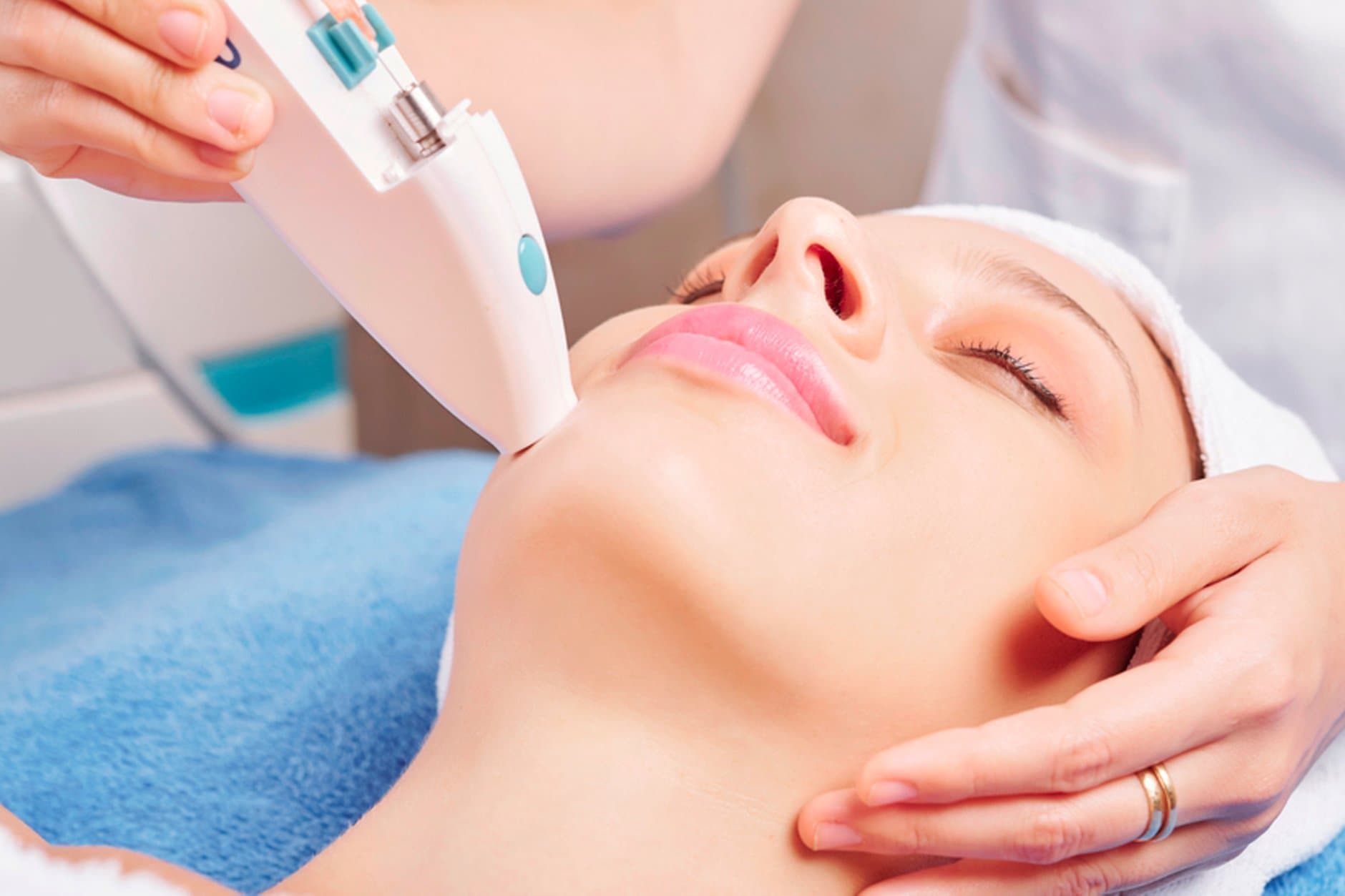
Pigmentation Mesotherapy
Pigmentation mesotherapy delivers ingredients such as tranexamic acid and vitamin C into pigmented skin through very fine needles, as a supportive treatment for melasma and stubborn dark patches.
BBL Laser for Pigmentation
BBL for pigmentation uses broadband light absorbed by melanin to treat sun spots, freckles and sun-related uneven colour without peeling the skin. It is not suitable for every type of pigmentation.
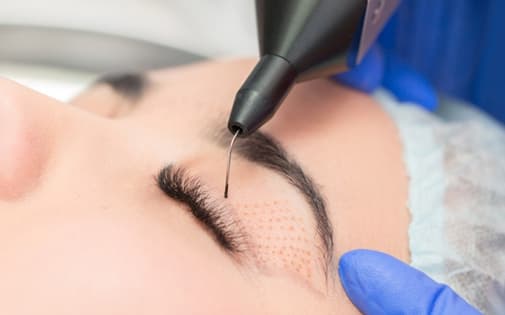
Mole Check and Mapping
A mole check is a non-invasive examination in which moles are magnified with a dermatoscope and, when needed, digitally recorded and compared over time. The aim is to spot changing or suspicious lesions early.
Gold Needle Skin Rejuvenation (Face and Neck)
Gold needle skin rejuvenation is radiofrequency microneedling: fine gold-plated needles gently heat the deeper skin to stimulate new collagen, improving texture, firmness and glow.
Gold Needle Stretch Mark Treatment
Gold needle stretch mark treatment uses radiofrequency microneedling to remodel collagen and elastin under stretch marks, making them narrower, flatter and less noticeable.
Çankaya, Ankara