
Dermatology ConsultationCondition
Melasma
 Dermatology Consultation
Melasma is a common pigmentation condition that causes light to dark brown patches on the face, most often on the cheeks, forehead, upper lip and chin, usually on both sides. It is triggered by sunlight and hormones, and typically darkens in summer and fades a little in winter. Melasma treatment is a long-term process that aims to lighten the patches and stop them from darkening again.
It is worth being honest from the start: melasma is chronic and tends to recur. There is no single treatment that erases it for good. With strict sun protection, the right creams and, where appropriate, supportive procedures, it can lighten considerably and be kept under control.
Who gets melasma?
Melasma mostly affects women between 20 and 50, though men get it too. It is more common in medium to olive skin tones, which are widespread in Turkey. When it appears in pregnancy it is often called the "mask of pregnancy". A family history increases the risk.
Symptoms and triggers
Melasma does not itch or hurt. The patches have irregular, map-like borders and range from light brown to dark brown or greyish. Key triggers include:
- Light: not just ultraviolet but also visible light and heat, so patches darken even on cloudy days or behind a car window.
- Hormones: pregnancy, the contraceptive pill and hormone therapy.
- Genetics and skin type
- Irritation: harsh cosmetics, aggressive peels and procedures.
- Some medicines that increase light sensitivity.
Diagnosis
Melasma is diagnosed by examination. Dermoscopy and a Wood's lamp help estimate whether the pigment sits superficially or deeper in the skin; superficial pigment generally responds better. We also distinguish melasma from sun spots, post-inflammatory marks and other pigment lesions, as each is treated differently.
Melasma treatment options
The plan depends on the depth of pigment, your skin type, your lifestyle and whether you are pregnant or breastfeeding. The options below are general information; your plan is set at the consultation.
- Sun protection: the foundation of every plan. A broad-spectrum, high-factor sunscreen every day, all year round. Tinted sunscreens containing iron oxides add protection against visible light. Reapply every 2-3 hours outdoors and wear a wide-brimmed hat.
- Topical treatments: hydroquinone is effective but should only be used under medical supervision and for limited periods, as uncontrolled long-term use can cause a lasting darkening of the skin. Azelaic acid, tranexamic acid, kojic acid, niacinamide and retinoids are used alone or in combination.
- Oral tranexamic acid: an option in selected resistant cases. Because it affects blood clotting, personal and family history of clots, hormone use and smoking are reviewed carefully first; it is not suitable for everyone.
- Supportive procedures: superficial peels and other procedures can boost the response to creams in suitable patients. Each works differently and is described on its own page: pigmentation mesotherapy, gold needle pigmentation treatment and BBL laser for pigmentation. Light and heat-based treatments must be chosen carefully in melasma, as the wrong settings or skin type can make patches darker.
During pregnancy and breastfeeding, most creams and procedures are postponed and careful sun protection is the main step. Pregnancy melasma may fade in the months after delivery, but not always completely.
How long does it take?
Visible lightening usually appears within 2-3 months; deeper pigment takes longer. Afterwards, a maintenance cream routine and constant sun protection help prevent relapse. Some darkening in summer is expected, and we adjust the plan together.
Everyday care tips
- Use sunscreen every day, not only in summer.
- Avoid home remedies like lemon or baking soda; irritation can darken melasma.
- Do not scrub your face, and spray perfume on clothes rather than skin.
- If you take the pill, discuss melasma with your gynaecologist rather than stopping it yourself.
When to see a dermatologist
See a dermatologist for new or darkening facial patches, melasma that has not improved with over-the-counter products, or patches that persist after pregnancy. A single, irregular, changing dark spot may be something other than melasma and should be checked promptly.
Melasma takes patience and consistency. At our clinic in Çankaya, Ankara, we assess your pigmentation and build a realistic plan around your skin type and daily life. You are welcome to book a consultation.
The information on this page is for general guidance and does not replace a consultation or medical advice. Diagnosis and treatment decisions are made by your doctor. Last updated:
Melasma
Frequently asked questions
Common questions about Melasma, with short answers.
Does melasma go away?
Melasma is chronic and tends to recur, so it is difficult to clear for good. With consistent treatment and sun protection, patches lighten considerably in most people. Without maintenance care, they can darken again.
Will pregnancy melasma fade after birth?
It may fade in the months after delivery, but not always completely. During pregnancy and breastfeeding, careful sun protection is the key step, and most creams and procedures are postponed.
What kind of sunscreen should I use for melasma?
Choose a broad-spectrum, high-factor sunscreen. Tinted formulas containing iron oxides also protect against visible light, which is helpful in melasma. Applying enough and reapplying every 2-3 hours outdoors matters as much as the product itself.
Can laser treat melasma?
Laser and light treatments are not a stand-alone answer for melasma and must be chosen carefully. In suitable patients with the right settings they can support cream treatment, but inappropriate use can darken patches. The decision is made at your consultation.
Can the contraceptive pill cause melasma?
Hormonal contraceptives and other hormone treatments can trigger or worsen melasma in predisposed people. Rather than stopping on your own, discuss it with your gynaecologist.
Have another question?
You can ask us about visits and treatments by phone or on WhatsApp.
Message us on WhatsAppDermatology Consultation
Related treatments
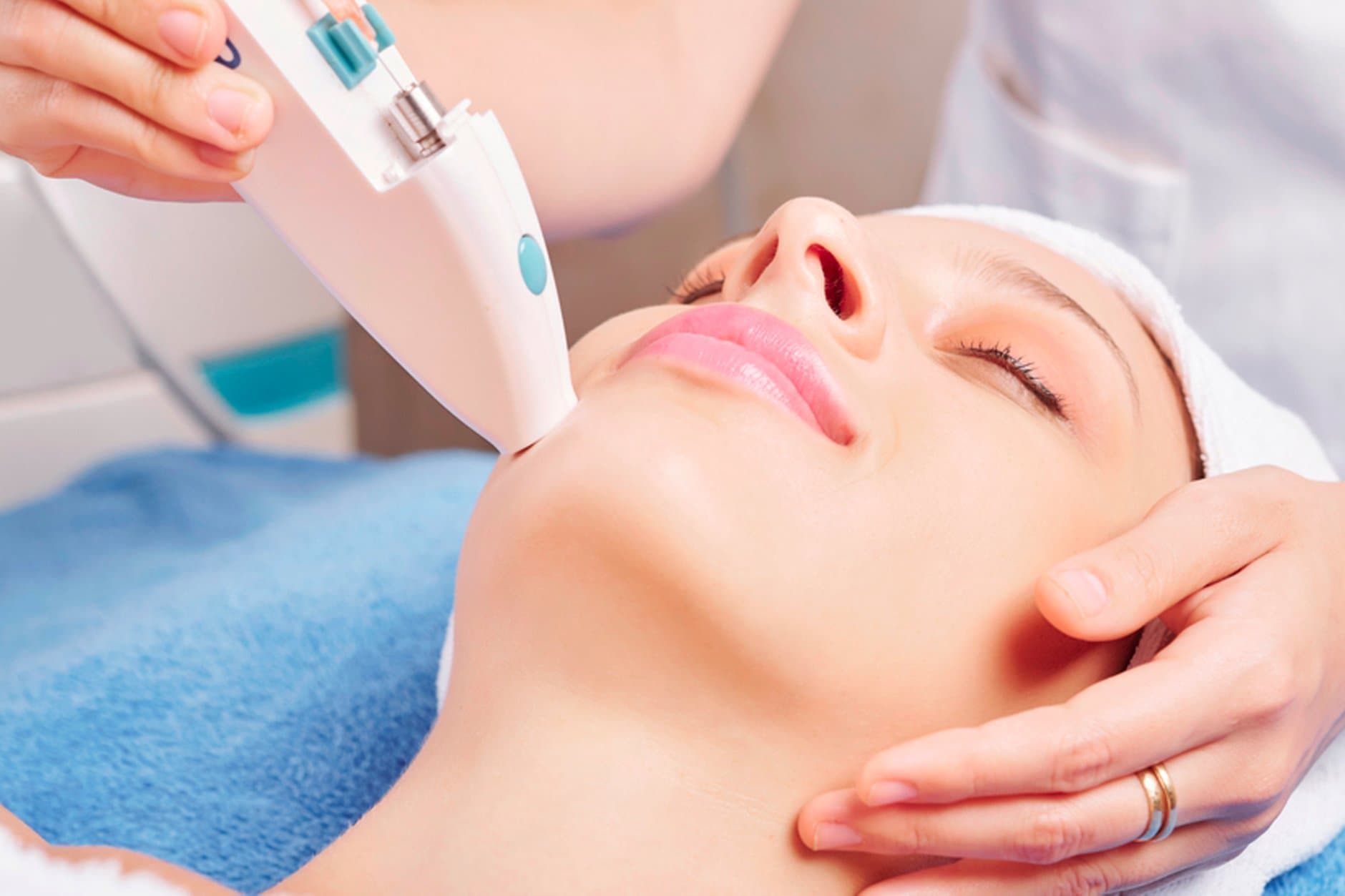
Pigmentation Mesotherapy
Pigmentation mesotherapy delivers ingredients such as tranexamic acid and vitamin C into pigmented skin through very fine needles, as a supportive treatment for melasma and stubborn dark patches.
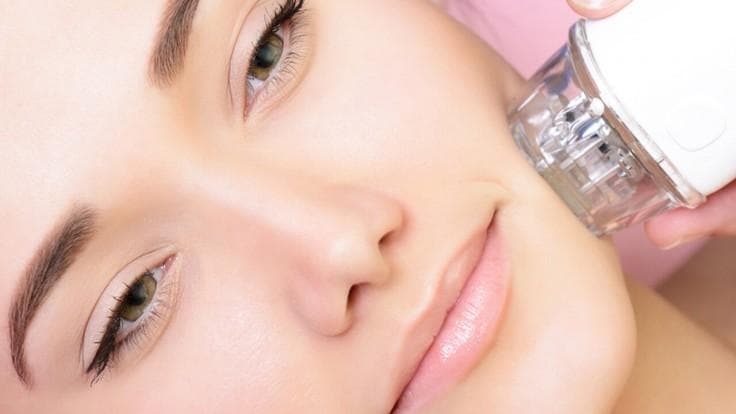
Gold Needle Pigmentation Treatment
Gold needle pigmentation treatment uses low-energy radiofrequency microneedling as a supportive treatment for stubborn pigmentation such as melasma and post-acne marks.
BBL Laser for Pigmentation
BBL for pigmentation uses broadband light absorbed by melanin to treat sun spots, freckles and sun-related uneven colour without peeling the skin. It is not suitable for every type of pigmentation.
Acne Treatment
Acne is an inflammatory condition of the hair follicles and oil glands that causes blackheads, whiteheads, red spots and sometimes deep cysts. Treatment is planned at a consultation based on its type and severity.
Psoriasis
Psoriasis is a chronic, non-contagious condition in which an overactive immune response causes red, scaly plaques on the skin. With the right treatment it can be kept under control for long periods.
Rosacea
Rosacea is a chronic condition of the central face causing flushing, persistent redness, visible small vessels and acne-like bumps. Trigger control and the right treatment can keep it under control.
Çankaya, Ankara