
MesotherapyTreatment
Pigmentation Mesotherapy
 Mesotherapy
At a glance
- Procedure time
- 15-20 minutes
- Anaesthesia
- Optional numbing cream
- Results start
- Lightening is often noticed after 2-3 sessions
- Results last
- Depends on the type of pigmentation; melasma needs ongoing maintenance
- Back to routine
- Immediate return to normal activities; make-up after 12-24 hours
- Sessions
- Usually 4-6 sessions, 2-4 weeks apart
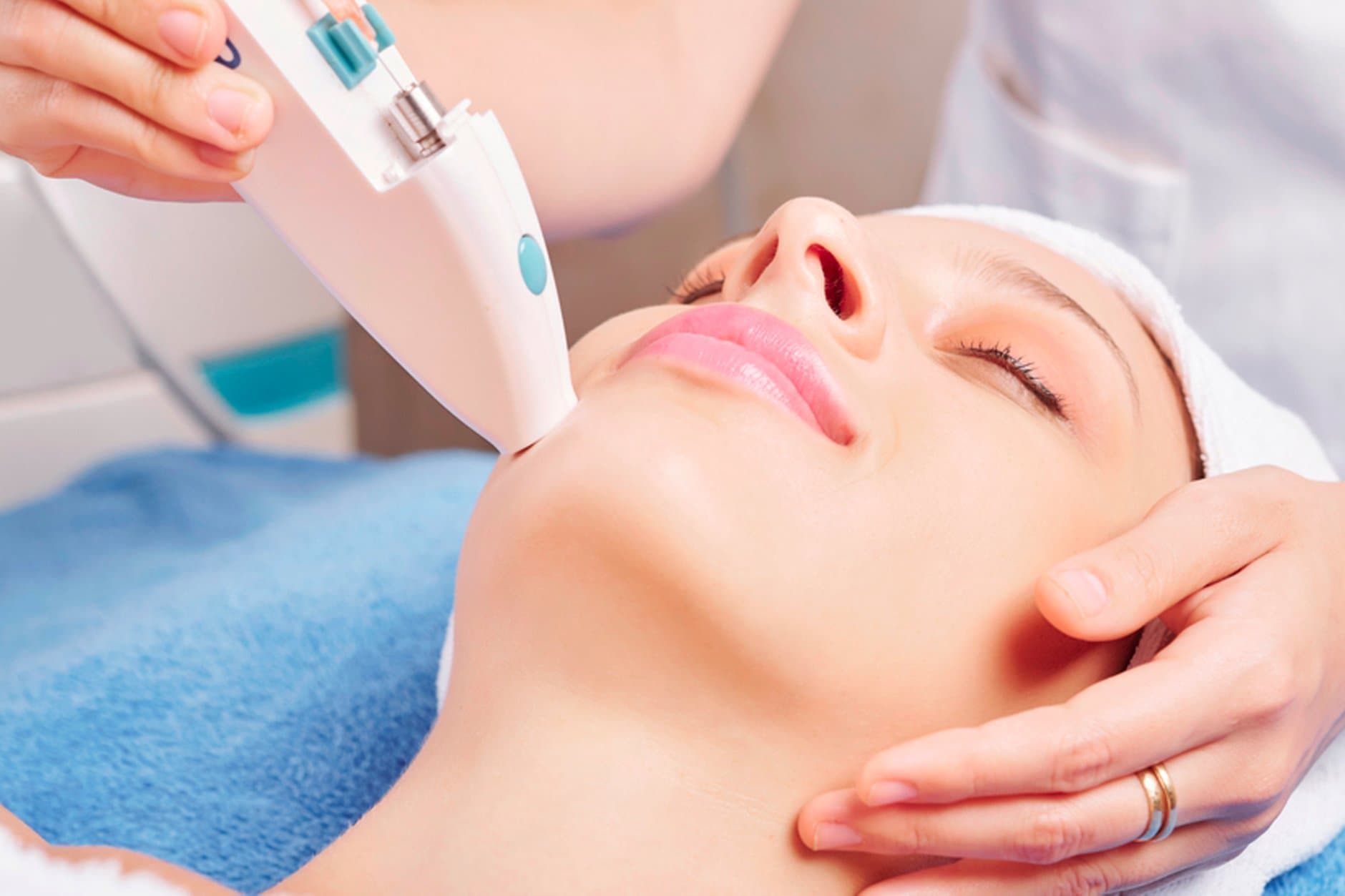
Pigmentation mesotherapy delivers ingredients that help reduce pigment production, mainly tranexamic acid and vitamin C, into the superficial skin of pigmented areas through very fine needles. It is used as a supportive treatment for melasma and stubborn post-inflammatory marks, alongside creams and sun protection. It does not erase pigmentation in one go; the aim is gradual lightening.
How it works
Melanin increases in response to sunlight, hormones and inflammation. The ingredients used act on different steps of that process:
- Tranexamic acid reduces the signals that stimulate pigment cells and may also act on the vascular component of melasma. It is the most studied ingredient in pigmentation mesotherapy.
- Vitamin C (ascorbic acid) inhibits an enzyme involved in pigment production and acts as an antioxidant.
- Supporting ingredients such as vitamins, amino acids and hyaluronic acid are included in some formulas.
Applied as creams, these ingredients are only partly absorbed; mesotherapy places them directly in the target layer. Small studies have shown meaningful lightening of melasma with intradermal tranexamic acid, but they have also shown that pigmentation can return in some patients after treatment stops.
Some injections marketed as skin lighteners, especially those promising whole-body whitening, lack adequate evidence of safety and effectiveness. We advise staying away from them.
Which types of pigmentation?
- Melasma: symmetrical brown patches on the cheeks, forehead, upper lip and bridge of the nose. This is the main use. See our melasma page for causes and other options.
- Post-inflammatory marks after acne, eczema or injury.
- General uneven tone from sun exposure.
Well-defined sun spots and age spots usually respond more directly to light-based treatment; see BBL laser for pigmentation. For deeper melasma that responds only partly to creams, gold needle pigmentation treatment can be combined with mesotherapy.
Diagnosis first
Not every dark area is simple pigmentation. Moles, seborrhoeic keratoses and, rarely, skin cancers can look similar, so spots are examined first, with a dermatoscope where needed. We also ask when the pigmentation started, whether it is linked to pregnancy or the contraceptive pill, which cosmetics you use and how much sun you get. Reducing triggers matters as much as the treatment itself.
What happens during treatment
- Assessment: the type of pigmentation, triggers and your medications are reviewed and the formula chosen.
- Preparation: the skin is cleansed and disinfected; numbing cream is optional.
- Injections: tiny, closely spaced superficial injections are made across the pigmented areas. It takes 15 to 20 minutes.
- Home care: your pigment cream and sun-protection plan are agreed. This step matters as much as the treatment.
Sessions and results
We usually plan 4 to 6 sessions, 2 to 4 weeks apart. Lightening is often noticed after 2 or 3 sessions. Superficial pigmentation responds faster; deeper melasma more slowly. Melasma is chronic and tends to return, so sun protection, home care and maintenance sessions continue after the course ends. No treatment can promise that pigmentation will never come back.
Aftercare
- Needle marks and mild redness fade within hours to a day.
- Avoid make-up for 12 to 24 hours.
- Avoid saunas, steam rooms and strong heat for a few days; heat can trigger melasma.
- Use a broad-spectrum, high-SPF sunscreen daily, ideally tinted, and reapply during the day.
- Add a hat and shade, and keep protecting your skin on cloudy days.
Side effects and who should not have it
Brief stinging during injection, then mild redness, swelling and small bruises are common. Allergic reactions, infection and temporary darkening at injection points are uncommon.
It is not suitable during pregnancy or breastfeeding, with allergy to any ingredient, with active infection, cold sores or open wounds in the area, with undiagnosed suspicious spots or with a tendency to keloids. If you have a clotting disorder or a history of deep vein thrombosis or stroke, tranexamic acid formulas are avoided or used only after careful assessment.
Pigmentation can appear quickly but fades slowly. At our clinic in Çankaya, Ankara, we first identify the type of pigmentation and then decide whether mesotherapy should be used alone or with other treatments. You are welcome to book an assessment.
The information on this page is for general guidance and does not replace a consultation or medical advice. Diagnosis and treatment decisions are made by your doctor. Last updated:
Pigmentation Mesotherapy
Frequently asked questions
Common questions about Pigmentation Mesotherapy, with short answers.
How many sessions of pigmentation mesotherapy are needed?
Usually 4 to 6 sessions, 2 to 4 weeks apart. The number depends on the type and depth of pigmentation, and melasma may need maintenance sessions afterwards.
Will it clear my pigmentation completely?
It can lighten pigmentation noticeably, but it would not be honest to promise complete or permanent clearance. Melasma in particular tends to return, so sun protection and maintenance are essential.
What is injected?
Mostly tranexamic acid and vitamin C, sometimes with supporting vitamins and hyaluronic acid. The formula is chosen at your consultation based on your type of pigmentation.
Can I have it in summer?
Yes, but sun protection becomes even more important. Planning sessions around periods of heavy sun exposure helps the result.
Can pigmentation from pregnancy be treated with mesotherapy?
Not during pregnancy or breastfeeding. Sun protection and skincare approved by your doctor are used in that period, and the pigmentation is reassessed afterwards.
Have another question?
You can ask us about visits and treatments by phone or on WhatsApp.
Message us on WhatsAppMesotherapy
Related treatments

Melasma
Melasma causes symmetrical brown patches on the cheeks, forehead and upper lip that darken with sun and hormones. It tends to recur, but can lighten considerably with consistent treatment and sun protection.
Gold Needle Pigmentation Treatment
Gold needle pigmentation treatment uses low-energy radiofrequency microneedling as a supportive treatment for stubborn pigmentation such as melasma and post-acne marks.
BBL Laser for Pigmentation
BBL for pigmentation uses broadband light absorbed by melanin to treat sun spots, freckles and sun-related uneven colour without peeling the skin. It is not suitable for every type of pigmentation.
Facial Mesotherapy
Facial mesotherapy delivers vitamins, amino acids, antioxidants and hyaluronic acid into the superficial skin through very fine needles to support hydration and radiance.
Hair Mesotherapy
Hair mesotherapy delivers vitamins, minerals and amino acids into the scalp through very fine needles to support the hair follicle, helping reduce shedding and strengthen existing hair.
Çankaya, Ankara