
MesotherapyTreatment
Hair Mesotherapy
 Mesotherapy
At a glance
- Procedure time
- 15-30 minutes
- Anaesthesia
- Usually not needed; cooling can be used if required
- Results start
- Less shedding within 1-2 months; density changes assessed after 3-6 months
- Results last
- Depends on the cause of hair loss; supported with maintenance sessions
- Back to routine
- Immediate return to normal activities; hair can be washed after 12-24 hours
- Sessions
- Usually 6-10 sessions in total; the first ones 1-2 weeks apart
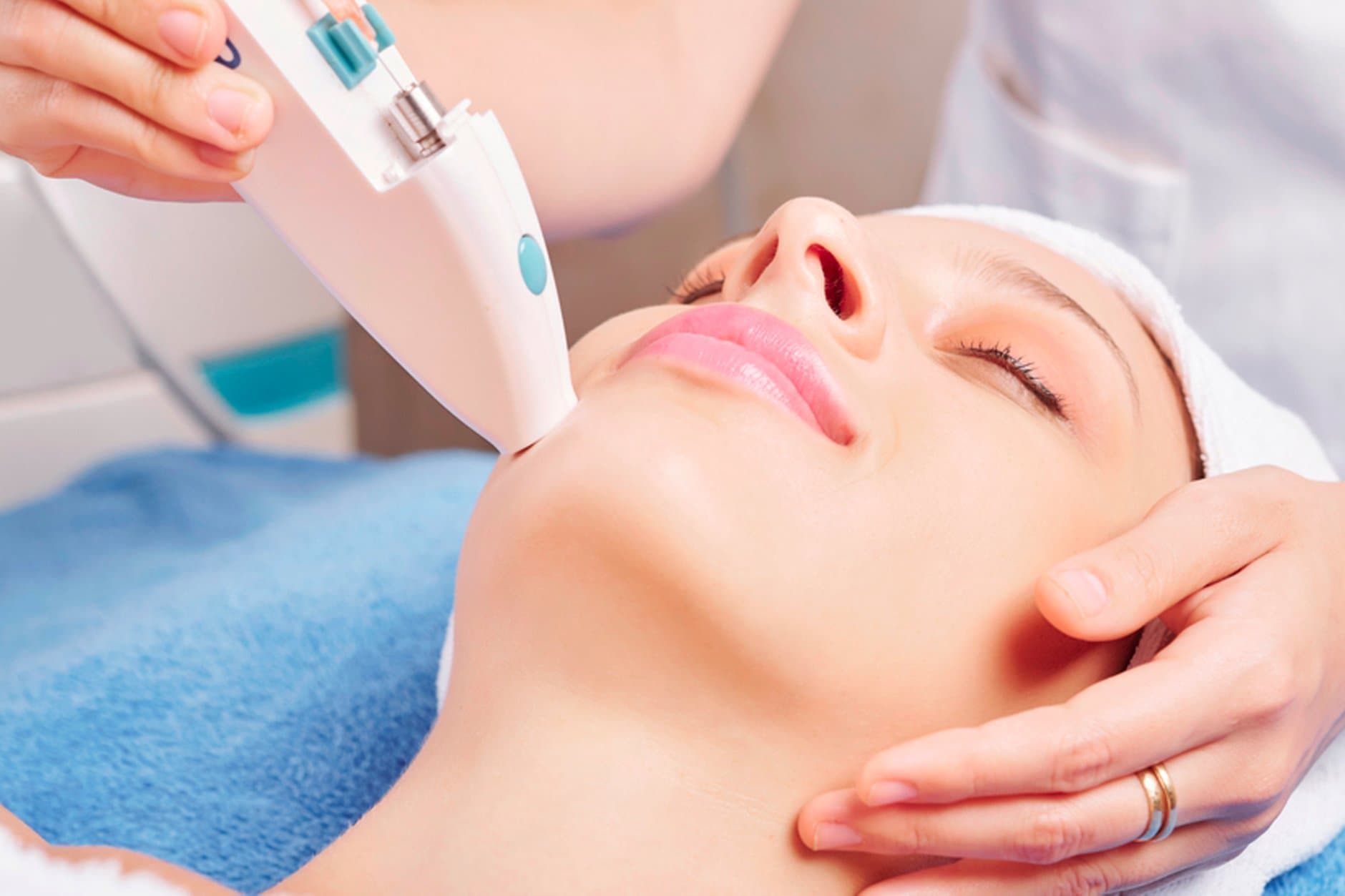
Hair mesotherapy involves injecting small amounts of vitamins, minerals, amino acids and similar ingredients into the scalp with very fine needles. The aim is to improve the environment around the hair follicle, reduce shedding and help existing hair grow stronger and fuller. It is usually used to support other hair loss treatments rather than on its own.
What can it do?
Hair follicles are very active and sensitive to changes in the body. The ingredients used in mesotherapy aim to support their needs directly at the source, and the many tiny injections may also improve local blood flow. Realistically, hair mesotherapy can help slow shedding, strengthen thin and weak hair and improve overall hair quality. It does not regrow hair in areas that have been bald and shiny for a long time.
Studies suggest it may help in pattern hair loss, but most were small and used different formulas. That is why we see it as one part of a broader plan, not a stand-alone solution.
Finding the cause comes first
Hair loss is not a single condition, and whether mesotherapy will help depends largely on the cause. We examine the scalp closely, look at the pattern and duration of shedding and, where needed, check iron stores, thyroid function, vitamin D and B12. Correcting a deficiency is the foundation of treatment.
- Sudden, diffuse shedding (telogen effluvium) often starts 2 to 3 months after a fever, childbirth, surgery, severe stress or crash dieting. It usually settles once the trigger has passed, and mesotherapy can be used as support.
- Pattern hair loss shows as a receding hairline and crown thinning in men and thinning at the crown in women. Treatments with stronger evidence, such as minoxidil, come first, with mesotherapy as an add-on.
- Alopecia areata and scarring hair loss need different treatment, and mesotherapy is not the first choice.
Flaking, itching or thick scaly plaques on the scalp are assessed too; scalp psoriasis, for example, should be treated before mesotherapy.
What is in it?
There is no single standard formula. Solutions commonly contain B vitamins such as biotin and panthenol, minerals like zinc, amino acids such as cysteine, peptides and hyaluronic acid. The choice depends on the cause of your hair loss, the condition of your scalp and your medical history. Products must be sterile and designed for scalp use; unregulated mixtures and treatments outside a medical setting raise the risk of infection and allergy.
What happens during a session
- Assessment: the cause of hair loss is identified and the right formula is chosen.
- Cleansing: the scalp is cleaned with an antiseptic. Numbing cream is rarely needed.
- Injections: tiny amounts are placed superficially along partings using a very fine needle. A session takes 15 to 30 minutes.
- Finish: pinpoint bleeding is cleaned and aftercare explained.
Sessions and results
A typical plan starts with 4 to 6 sessions 1 to 2 weeks apart, then spaces them out for a total of 6 to 10. Maintenance sessions every few months may follow, depending on the cause. Less shedding is often noticed within 1 to 2 months, while changes in density and quality usually take 3 to 6 months to judge. Some people see little difference, which is why we review progress at follow-up visits.
Aftercare
- Do not wash your hair for 12 to 24 hours, then use your usual mild shampoo.
- Avoid intense exercise, saunas, pools and the sea on the first day.
- Wait a few days before colouring, perming or keratin treatments.
- Do not scratch or rub the injection points.
- Keep using any hair medication you have been prescribed.
Side effects and who should not have it
Pinpoint bleeding, mild redness, tenderness and small bruises lasting a few days can occur. Some people have a mild headache on the day or slight swelling towards the forehead. Allergic reactions and infection are rare with sterile products and proper technique.
It is not suitable during pregnancy or breastfeeding, with active scalp infection, open wounds or a flare of inflammatory scalp disease, with allergy to any ingredient, during active cancer treatment or with a tendency to keloids. Bleeding disorders, blood thinners and poorly controlled chronic illness need a medical review first.
If your facial skin also looks dull and dry, facial mesotherapy can be planned separately during the same period.
Hair loss is often worrying, and the right treatment starts with the right diagnosis. At our clinic in Çankaya, Ankara, we assess your hair loss in detail and decide with you whether mesotherapy belongs in your plan. You are welcome to book a consultation.
The information on this page is for general guidance and does not replace a consultation or medical advice. Diagnosis and treatment decisions are made by your doctor. Last updated:
Hair Mesotherapy
Frequently asked questions
Common questions about Hair Mesotherapy, with short answers.
What does hair mesotherapy do?
It delivers supportive ingredients such as vitamins, minerals and amino acids to the follicles to help reduce shedding and strengthen hair. It does not regrow hair in long-standing bald areas, and its effect depends on the cause of hair loss.
How many sessions of hair mesotherapy are needed?
Usually 4 to 6 sessions 1 to 2 weeks apart to start, then spaced out for a total of 6 to 10. Maintenance sessions may follow, and the exact plan is set at your consultation.
When will I see results?
Reduced shedding is often noticed within 1 to 2 months. Changes in hair density usually take 3 to 6 months to assess.
Does it hurt?
Very fine needles are used, so most people feel only brief pricks. Cooling can make it more comfortable for sensitive people.
Can hair mesotherapy stop genetic hair loss?
Not on its own. Used alongside treatments with stronger evidence, it may help slow shedding, but pattern hair loss continues if treatment stops.
Have another question?
You can ask us about visits and treatments by phone or on WhatsApp.
Message us on WhatsAppMesotherapy
Related treatments
Facial Mesotherapy
Facial mesotherapy delivers vitamins, amino acids, antioxidants and hyaluronic acid into the superficial skin through very fine needles to support hydration and radiance.
Psoriasis
Psoriasis is a chronic, non-contagious condition in which an overactive immune response causes red, scaly plaques on the skin. With the right treatment it can be kept under control for long periods.
Pigmentation Mesotherapy
Pigmentation mesotherapy delivers ingredients such as tranexamic acid and vitamin C into pigmented skin through very fine needles, as a supportive treatment for melasma and stubborn dark patches.
Çankaya, Ankara