
Mole TreatmentTreatment
Surgical Mole Removal
 Mole Treatment
At a glance
- Procedure time
- Usually 15-30 minutes per mole
- Anaesthesia
- Local anaesthetic
- Results start
- Pathology results usually within 1-2 weeks
- Results last
- A completely removed mole usually does not recur; the scar matures over 6-12 months
- Back to routine
- Back to daily life the same day; stitches removed after 5-14 days depending on the area
- Sessions
- Single session
Surgical mole removal is a minor procedure in which a mole is removed under local anaesthetic, together with a thin margin of healthy skin, and sent for pathology. It is the method that confirms the diagnosis of a suspicious mole, and it is also used for moles that are irritated or that you simply wish to have removed. It is done in the clinic and usually takes less than half an hour.
Its key advantage is that the whole mole can be examined under the microscope, giving a definite answer to the question "what was this?".
Which moles are removed surgically?
- Moles with suspicious features on dermoscopy
- Moles that change in size, shape or colour, bleed, itch or form a sore
- Moles that change during digital follow-up
- Moles repeatedly irritated by belts, bra straps, collars or shaving
- Moles you would like removed for cosmetic reasons
Is mole removal harmful?
This is the question we hear most, and the answer is clear: a mole removed properly by a doctor does not cause cancer or make an existing problem worse. The real risk lies in never showing a suspicious mole to a doctor, or having it destroyed with home "mole removal" products or by untrained people, so that it can no longer be examined.
Methods
- Elliptical excision: the mole is removed in an almond shape with a margin of healthy skin and the wound is stitched. This is the standard approach for suspicious moles.
- Shave excision: raised moles that look benign are shaved off at skin level without stitches, and still sent for pathology. Not used for suspicious moles, as cells may remain deeper.
- Punch excision: small moles are removed with a round blade, usually closed with one or two stitches.
How is it done?
- The mole is examined with dermoscopy and photographed, and the method is chosen. The incision is aligned with natural skin lines where possible.
- The area is marked and cleaned.
- A local anaesthetic is injected; you feel a brief sting, then only touch and pressure.
- The mole is removed and placed in a container for pathology.
- The wound is closed, with dissolving stitches underneath if needed, and dressed.
Pathology results
Results usually come back within 1-2 weeks and are explained in detail at your follow-up visit. Most are benign. The report also shows whether the margins are clear. If atypical or malignant features are found, a wider excision or further treatment with the relevant specialists may be needed.
Will there be a scar?
Any cut into the deeper skin leaves a scar; the aim is a fine, discreet line. After an elliptical excision the line is about three times longer than the mole's diameter, which allows the edges to close flat. The scar looks pink at first and fades and softens over 6-12 months. Scars on the chest, shoulders and back can widen, and people prone to keloids may develop raised scars. Scars that remain noticeable can later be improved with gold needle scar treatment.
Aftercare
- Keep the dressing dry for the first 24-48 hours.
- Clean the wound once a day, apply the recommended ointment and cover it.
- Stitches are removed after about 5-7 days on the face and 10-14 days on the body and limbs.
- Avoid heavy exercise, lifting and swimming until the stitches are out.
- Protect the scar from the sun for about a year.
Possible risks
Most wounds heal without problems, but bleeding or bruising, infection, wound opening, a widened or raised scar and temporary numbness can occur. Contact us if you notice spreading redness, increasing pain, discharge or fever. Please tell us beforehand about blood thinners, diabetes, heart conditions, keloid tendency, anaesthetic allergy or pregnancy, and do not stop any medicine on your own.
Deciding which mole to remove, and how, is part of your mole check. At our clinic in Çankaya, Ankara, we assess your moles and plan the right approach with you. You are welcome to book an appointment.
The information on this page is for general guidance and does not replace a consultation or medical advice. Diagnosis and treatment decisions are made by your doctor. Last updated:
Surgical Mole Removal
Frequently asked questions
Common questions about Surgical Mole Removal, with short answers.
Is mole removal harmful?
No. A mole removed properly by a doctor does not cause cancer or worsen an existing condition. The real risk is leaving a suspicious mole unchecked or having it destroyed in a way that prevents examination.
Will mole removal leave a scar?
Surgical removal leaves a fine line scar that is pink at first and fades and softens over 6-12 months. Scars on the chest, shoulders and back can be more visible. Good wound care and sun protection help.
Does mole removal hurt?
You will feel a brief sting from the local anaesthetic injection, after which the procedure is not painful. Mild soreness afterwards usually settles with simple painkillers.
When are the stitches removed?
Usually after 5-7 days on the face and 10-14 days on the body and limbs. Dissolving stitches placed deeper do not need removing.
When will I get the pathology result?
Results usually come back within 1-2 weeks and are explained at your follow-up visit. Most results are benign; if not, the next steps are planned together.
Have another question?
You can ask us about visits and treatments by phone or on WhatsApp.
Message us on WhatsAppMole Treatment
Related treatments
Mole Check and Mapping
A mole check is a non-invasive examination in which moles are magnified with a dermatoscope and, when needed, digitally recorded and compared over time. The aim is to spot changing or suspicious lesions early.
Plasma Mole Removal
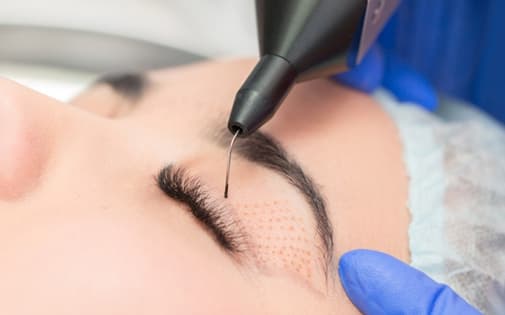
Plasma mole removal uses a small plasma arc from a pen-like device to vaporise small, benign lesions in the upper layers of the skin. It is used only on lesions a dermatologist has confirmed as benign.
Gold Needle Scar Treatment
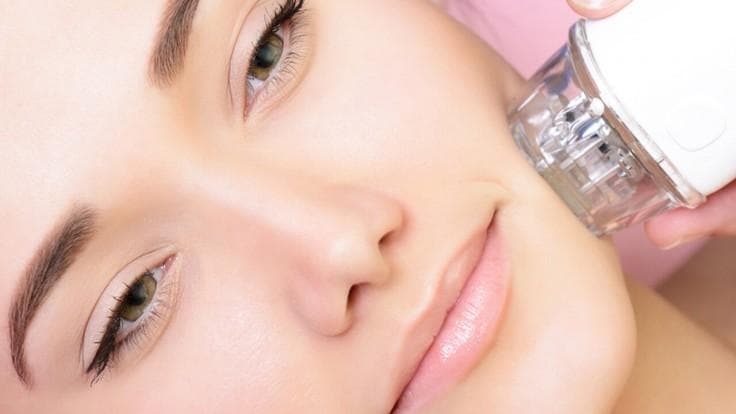
Gold needle scar treatment uses radiofrequency microneedling inside scar tissue from surgery, injuries, burns or chickenpox to soften it and help it blend with the surrounding skin.
Çankaya, Ankara