
Botox TreatmentsTreatment
Botox for Migraine
 Botox Treatments
At a glance
- Procedure time
- 15-20 minutes
- Anaesthesia
- Usually none
- Results start
- 2-4 weeks for some; after the 2nd or 3rd treatment for others
- Results last
- About 12 weeks (3 months)
- Back to routine
- Immediate; back to normal activities the same day
- Sessions
- Every 12 weeks; response assessed after at least 2-3 treatments
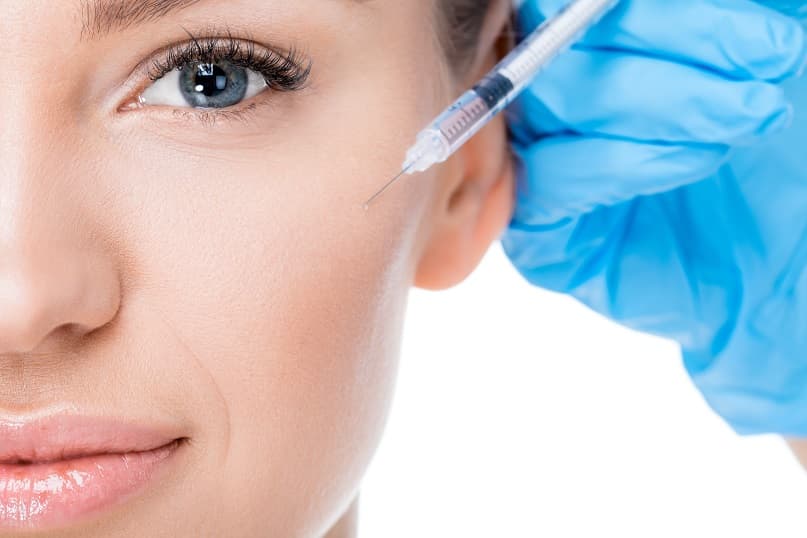
Botox for migraine is a preventive treatment in which botulinum toxin is injected into specific muscle areas of the head and neck in adults with diagnosed chronic migraine who have not done well enough on preventive tablets. The aim is not to cure migraine but to reduce the number of headache days each month and the severity of attacks. Treatment is usually repeated every 12 weeks.
Who is it for?
It is not a treatment for every headache. The evidence supports its use in chronic migraine: headache on 15 or more days a month for at least three months, with migraine features on at least eight of those days.
There is not enough evidence of benefit in episodic migraine (fewer headache days) or in tension-type headache, so we do not recommend it in those situations. It is usually considered when:
- a neurologist has diagnosed chronic migraine
- several preventive medicines have been tried at an adequate dose and duration without enough benefit, or were not tolerated
- headache caused by overuse of painkillers has been assessed and addressed
Jaw and temple pain from teeth clenching is a different problem, for which masseter botox may be considered.
Planned together with neurology
Migraine is a neurological disease, and its diagnosis, follow-up and medication belong with neurology. Any new headache, a change in pattern or other neurological symptoms need a neurological assessment first.
At our clinic, we give migraine injections in line with your neurologist's diagnosis and recommendation, and stay in touch with them. Our experience with botulinum toxin covers the technical side of the treatment, while decisions about continuing or stopping are made with your neurologist, based on your headache diary.
How does botox for migraine work?
The benefit is not explained by muscle relaxation alone. Botulinum toxin is thought to reduce the release of pain-signalling substances, such as CGRP, from nerve endings, calming the over-sensitised pain pathways involved in migraine.
That is why it is not the same as cosmetic facial botox. A few forehead injections for lines are not a migraine treatment; the dose, number of points and areas are entirely different.
The procedure
- We review your diagnosis, medicines, previous treatments and at least a month of headache diary.
- Following the standard protocol used in clinical trials, small doses are injected at 31 to 39 points across the forehead, between the brows, the temples, the back of the head, the neck and the upper shoulders.
- It takes about 15-20 minutes and usually needs no numbing. You can carry on with your day afterwards.
How many sessions, and when does it work?
Treatment is repeated every 12 weeks. Some people notice a change within two to four weeks of the first session; for others the response only becomes clear after the second or third. A fair judgement therefore usually needs at least two to three treatments.
Benefit is measured by the fall in monthly headache days. If there is no meaningful reduction, continuing is not appropriate and other options are discussed with your neurologist. Even when it helps, attacks can still occur; the goal is fewer, more manageable headaches. Please do not change your preventive or rescue medicines on your own.
Possible side effects
- Soreness, tenderness or small bruises at injection sites
- Neck pain, stiffness or a temporary feeling of neck weakness
- A temporary headache in the first days
- A change in brow shape or a temporary drooping eyelid
These are usually mild and settle within weeks. Serious problems such as difficulty swallowing or breathing are very rare and need urgent medical attention.
Who should not have it?
- Pregnant or breastfeeding women
- People with neuromuscular conditions such as myasthenia gravis, Lambert-Eaton syndrome or ALS
- Anyone allergic to botulinum toxin, or with infection at the injection sites
- Headaches without a clear diagnosis or that do not meet chronic migraine criteria
A sudden, severe headache, or one with fever, neck stiffness, loss of vision, speech problems or limb weakness, is an emergency: go to an emergency department straight away.
If you are considering this treatment, please bring any neurology reports and your headache diary to our clinic in Çankaya, Ankara. It makes planning with your neurologist much easier.
The information on this page is for general guidance and does not replace a consultation or medical advice. Diagnosis and treatment decisions are made by your doctor. Last updated:
Botox for Migraine
Frequently asked questions
Common questions about Botox for Migraine, with short answers.
Who qualifies for botox for migraine?
Adults with chronic migraine diagnosed by a neurologist, meaning headache on 15 or more days a month for at least three months, who have not benefited enough from preventive medicines. It is not recommended for episodic migraine or tension-type headache.
How many treatments will I need?
Injections are repeated every 12 weeks. At least two to three treatments are usually needed before judging whether it works. Whether to continue is then decided with your neurologist, based on your headache days.
Will it cure my migraine?
No. The aim is fewer headache days and less severe attacks. Even people who respond well can still have attacks, but they usually become less frequent and easier to manage.
What are the side effects?
The most common are soreness at injection sites, neck pain or stiffness, and a temporary headache in the first days. A change in brow shape or a drooping eyelid is less common. Side effects usually resolve within a few weeks.
Can cosmetic forehead botox treat migraine?
No. Cosmetic injections for lines are not a migraine treatment. Migraine treatment uses a specific protocol with a different dose, number of points and areas, and only in suitable patients.
Have another question?
You can ask us about visits and treatments by phone or on WhatsApp.
Message us on WhatsAppBotox Treatments
Related treatments
Masseter Botox
Masseter botox relaxes the chewing muscle with botulinum toxin to ease the strain of teeth clenching and to soften a jaw angle that looks wide because of muscle bulk.
Facial Botox
Facial botox relaxes the muscles behind forehead lines, frown lines and crow's feet with small doses of botulinum toxin. Results last 4 to 6 months, varying from person to person.
Botox for Sweating
Botox for sweating uses botulinum toxin to temporarily block the nerve signals that drive sweat glands in an overactive area. Underarm results often last six to nine months.
Neck Botox
Neck botox relaxes the platysma, the muscle that forms vertical neck bands and pulls the jawline down, using botulinum toxin. It is also known as the Nefertiti lift.
Gummy Smile Botox
Gummy smile botox uses a very low dose of botulinum toxin in the muscles that lift the upper lip, so less gum shows when you smile. The effect is temporary.
Çankaya, Ankara