
Botox TreatmentsTreatment
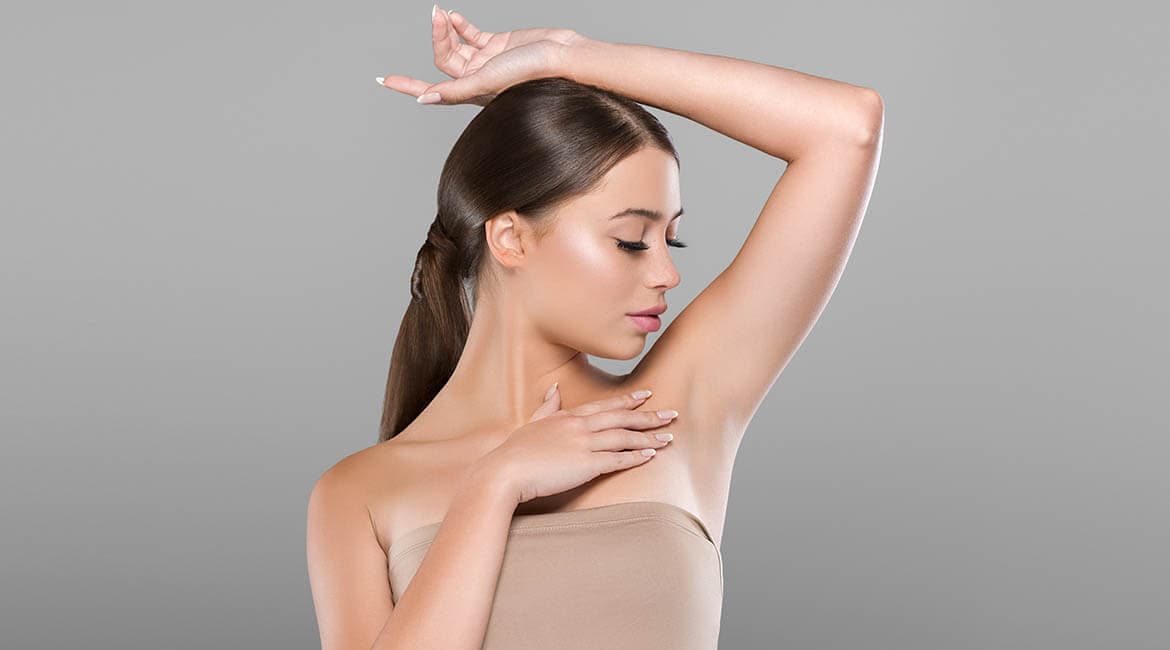
Botox for Sweating
 Botox Treatments
At a glance
- Procedure time
- Underarms 15-20 minutes; hands and feet 30-45 minutes
- Anaesthesia
- Numbing cream; regional numbing for palms and soles if needed
- Results start
- Starts in 2-4 days, full effect at about 2 weeks
- Results last
- Underarms often 6-9 months; palms and soles about 4-6 months
- Back to routine
- Immediate; back to normal activities the same day
- Sessions
- Single session with a review at 2-3 weeks; 1-2 times a year
Botox for sweating means injecting very small amounts of botulinum toxin into the skin of an area that sweats excessively, a condition called hyperhidrosis. The toxin temporarily blocks the nerve signal that drives the sweat glands, so the underarms, palms, soles or forehead can become much drier. The effect wears off over months and can be repeated.
When does sweating need treatment?
Sweating is how the body cools down. It becomes a problem when it is far more than needed and starts shaping daily life: changing shirts during the day, avoiding handshakes, smudging paper, or feet slipping in shoes.
Sweating that affects specific areas on both sides, started in childhood or adolescence, stops during sleep and often runs in the family is usually primary hyperhidrosis. It is not a sign of another disease, but it can affect quality of life a great deal.
Sweating that starts suddenly in adulthood, affects the whole body or comes with night sweats can have another cause, such as thyroid disease, diabetes, menopause, medicines or infection. That cause is investigated first, and injections are not the first step.
How does it work?
Sweat glands are switched on by a nerve messenger called acetylcholine. Botulinum toxin temporarily stops its release where it is injected, so the glands rest. They are not damaged; as the nerve endings recover, sweating gradually returns. Only the treated area is affected, and noticeable compensatory sweating elsewhere is not typical.
The active ingredient is the same as in facial botox, but the target is different: here the injections go into the skin layer where the sweat glands sit, not into muscle.
Areas we treat
- Underarms: the most common area, and usually the longest-lasting result.
- Palms: more sensitive, with a small risk of temporary hand weakness, so dose and depth are adjusted carefully.
- Soles: helpful when sweating also worsens odour or fungal problems; numbing is planned.
- Forehead and scalp: considered for facial or scalp sweating.
Sweaty palms can also trigger flares of itchy blisters known as dyshidrotic eczema, and reducing sweating may help with that too.
The procedure
- We ask when the sweating started, where it occurs, whether you sweat at night and what medicines you take, and order blood tests if needed.
- A starch-iodine test (Minor test) maps the most active area, which turns dark. No needles are involved, only a solution and starch on the skin; if you are allergic to iodine we use another method.
- Numbing cream is usually enough for the underarms. For palms and soles, cooling, cream or a regional nerve block may be used.
- Small, very superficial injections are placed about 1-2 cm apart across the marked area. Underarms take 15-20 minutes; hands and feet take longer.
- At a review after two to three weeks, any remaining small sweaty patches can be treated.
How long does it last?
Sweating usually starts to fall within two to four days, with the full effect at about two weeks. Underarm results commonly last six to nine months, sometimes longer. Palms and soles tend to need retreatment sooner, often after around four to six months. Most people have one or two treatments a year.
Aftercare
- Skip deodorant and antiperspirant on the day of treatment.
- Avoid saunas, steam rooms and intense exercise for 24 hours, and do not massage the area.
- Wait a week before waxing or laser hair removal in the underarms.
Possible side effects
Brief soreness, redness and small bruises are common. After palm treatment, mild finger weakness can last a few weeks and may be noticed in fine tasks such as buttoning a shirt. Soles may feel tender for a few days, and forehead treatment can cause a temporary brow droop. These effects are usually mild and settle on their own.
Who should not have it?
- Pregnant or breastfeeding women
- People with neuromuscular conditions such as myasthenia gravis
- Anyone allergic to botulinum toxin, or with an active infection in the area
- Anyone whose sweating may have an underlying cause that has not yet been investigated
Other options
Aluminium chloride antiperspirants are usually the first step. Iontophoresis, using a mild current in water, can help sweaty hands and feet. Tablets can be used for widespread sweating under medical supervision, and surgery is a last resort because it can cause compensatory sweating elsewhere. In suitable patients, botulinum toxin is also used for chronic migraine.
At our clinic in Çankaya, Ankara, we start by working out what type of sweating you have, then talk through the options and where injections fit. You are welcome to book a consultation.
The information on this page is for general guidance and does not replace a consultation or medical advice. Diagnosis and treatment decisions are made by your doctor. Last updated:
Botox for Sweating
Frequently asked questions
Common questions about Botox for Sweating, with short answers.
How long does botox for sweating last?
Underarm results commonly last six to nine months and sometimes longer. Palms and soles usually need retreatment sooner, often after around four to six months.
When does it start working?
Sweating usually starts to decrease within two to four days. The full effect is reached at about two weeks, which is when we review you.
Will I sweat more somewhere else?
The treatment only affects the injected area, and noticeable compensatory sweating elsewhere is not typical. That problem is mainly associated with surgical sympathectomy.
Can sweaty palms be treated?
Yes. Because the palms are sensitive, we plan numbing in advance. We also discuss the small chance of mild finger weakness lasting a few weeks.
Does it damage the sweat glands?
No. The glands are not destroyed; the nerve signal that activates them is reduced temporarily. Sweating gradually returns as the effect wears off.
Have another question?
You can ask us about visits and treatments by phone or on WhatsApp.
Message us on WhatsAppBotox Treatments
Related treatments
Facial Botox
Facial botox relaxes the muscles behind forehead lines, frown lines and crow's feet with small doses of botulinum toxin. Results last 4 to 6 months, varying from person to person.
Eczema
Eczema is an umbrella term for a group of inflammatory skin conditions that make the skin itchy, red, dry and sometimes weepy. Finding the trigger and repairing the skin barrier are the basis of treatment.
Botox for Migraine
Botox for migraine is a preventive treatment for diagnosed chronic migraine, given every 12 weeks at set points on the head and neck to reduce the number of headache days.
Masseter Botox
Masseter botox relaxes the chewing muscle with botulinum toxin to ease the strain of teeth clenching and to soften a jaw angle that looks wide because of muscle bulk.
Neck Botox
Neck botox relaxes the platysma, the muscle that forms vertical neck bands and pulls the jawline down, using botulinum toxin. It is also known as the Nefertiti lift.
Gummy Smile Botox
Gummy smile botox uses a very low dose of botulinum toxin in the muscles that lift the upper lip, so less gum shows when you smile. The effect is temporary.
Çankaya, Ankara