Acne Scar Treatment: Which Scar Responds to Which Method?

Dr. Selçuk Özdoğan, MD
Dermatologist
- Published:
- 4 min read
- Updated:
Acne scar treatment is planned around the type of mark you have. Red marks come from small blood vessels and most fade with time; brown marks are excess pigment and are treated like pigmentation; pitted scars reflect lost tissue and need methods that remodel collagen. So the first question is not "which treatment?" but "which scar?"
Most people have more than one type. Part of what looks like scarring in the mirror may be redness that settles on its own within months, while the rest may be true indented scars that only change with treatment.
Clear the active acne first
Treating scars while new spots keep appearing is an uphill battle. Getting breakouts under control comes first, with creams, oral medication or, where appropriate, isotretinoin, as described on our acne treatment page. If you have taken isotretinoin, we will discuss at your appointment when it is reasonable to start scar treatment.
Types of marks and scars
Red or pink marks
Flat red or pink areas where a spot has healed. Run your finger over them and the skin feels smooth, with no dip. They come from small vessels and most fade over months.
Brown marks
Known as post-inflammatory hyperpigmentation and more common in darker skin. These are flat too, and they darken noticeably in the sun, so daily sun protection is the basis of treatment.
Indented (atrophic) scars
- Rolling scars: broad with soft edges, giving the skin an undulating look; bands of tissue underneath pull the surface down.
- Boxcar scars: round or oval dips with sharp edges and a flat base, either shallow or deep.
- Ice pick scars: narrow, deep scars that look like pinpricks.
Raised scars
Less common, usually on the jawline, chest, back or shoulders. Hypertrophic scars and keloids need an entirely different approach.
Matching the scar to the method
- Red marks: time, sun protection and, if they persist, light-based treatment. BBL laser for acne can help with both active spots and post-acne redness.
- Brown marks: sun protection, lightening creams and suitable pigmentation treatments. Heat and light are used cautiously in darker skin, as they can deepen pigment.
- Rolling and shallow boxcar scars: collagen-stimulating treatments. Gold needle acne scar treatment is a common option for these.
- Deep boxcar and ice pick scars: often respond only partly to a single method, and targeted techniques may need to be added.
- Raised scars: different approaches, such as injections into the scar, planned separately.
How gold needle treatment works
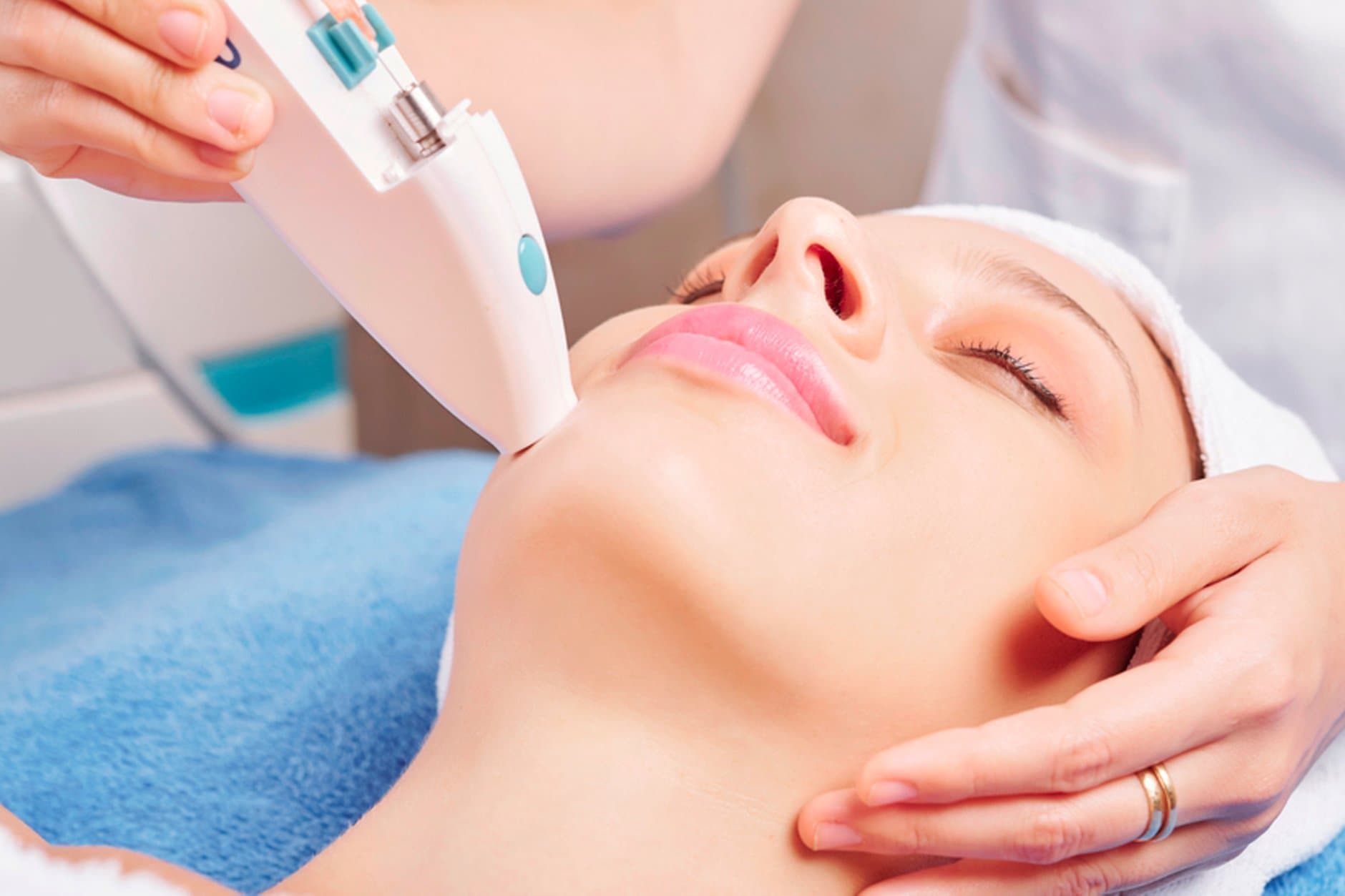
Gold needle treatment, a form of radiofrequency microneedling, delivers heat through very fine needles into the base of the scar, prompting the skin to remodel its own collagen. A numbing cream is applied beforehand, and most people describe a prickling, warm sensation during treatment. Because the surface is relatively spared, downtime is usually short: some redness and mild swelling for a few days, with most people back to normal activities the next day. Typically 3-5 sessions are planned 4-6 weeks apart, and the final result is judged 3-6 months after the last session.
Can methods be combined?
Yes, and with mixed scarring that is often what is needed. Light-based treatment may come first for active spots and redness, followed by gold needle sessions for indented scars once the skin has settled, while sun protection and creams for brown marks continue throughout. Sessions are spaced so the skin can recover in between.
Realistic expectations
The aim is to soften scars noticeably and make the skin surface look smoother. Complete removal is rarely a realistic goal, and results vary from person to person depending on scar depth and type, skin colour and how your skin heals. We talk this through openly before starting.
What helps at home
- Do not squeeze spots; it pushes inflammation deeper and raises the risk of scarring.
- Wear sunscreen every day; the sun darkens marks and deepens the shadows of scars.
- Avoid harsh scrubs, and do not use dermarollers at home, which carry a risk of infection and new scarring.
- Use retinoid creams on medical advice; they can help both breakouts and skin texture.
Acne that is starting to scar should be treated early. And if your acne cleared long ago, old scars can still be treated. To have your scars assessed and talk through which method suits each type, you can book an appointment at our clinic in Çankaya, Ankara.
The information on this page is for general guidance and does not replace a consultation or medical advice. Diagnosis and treatment decisions are made by your doctor.